

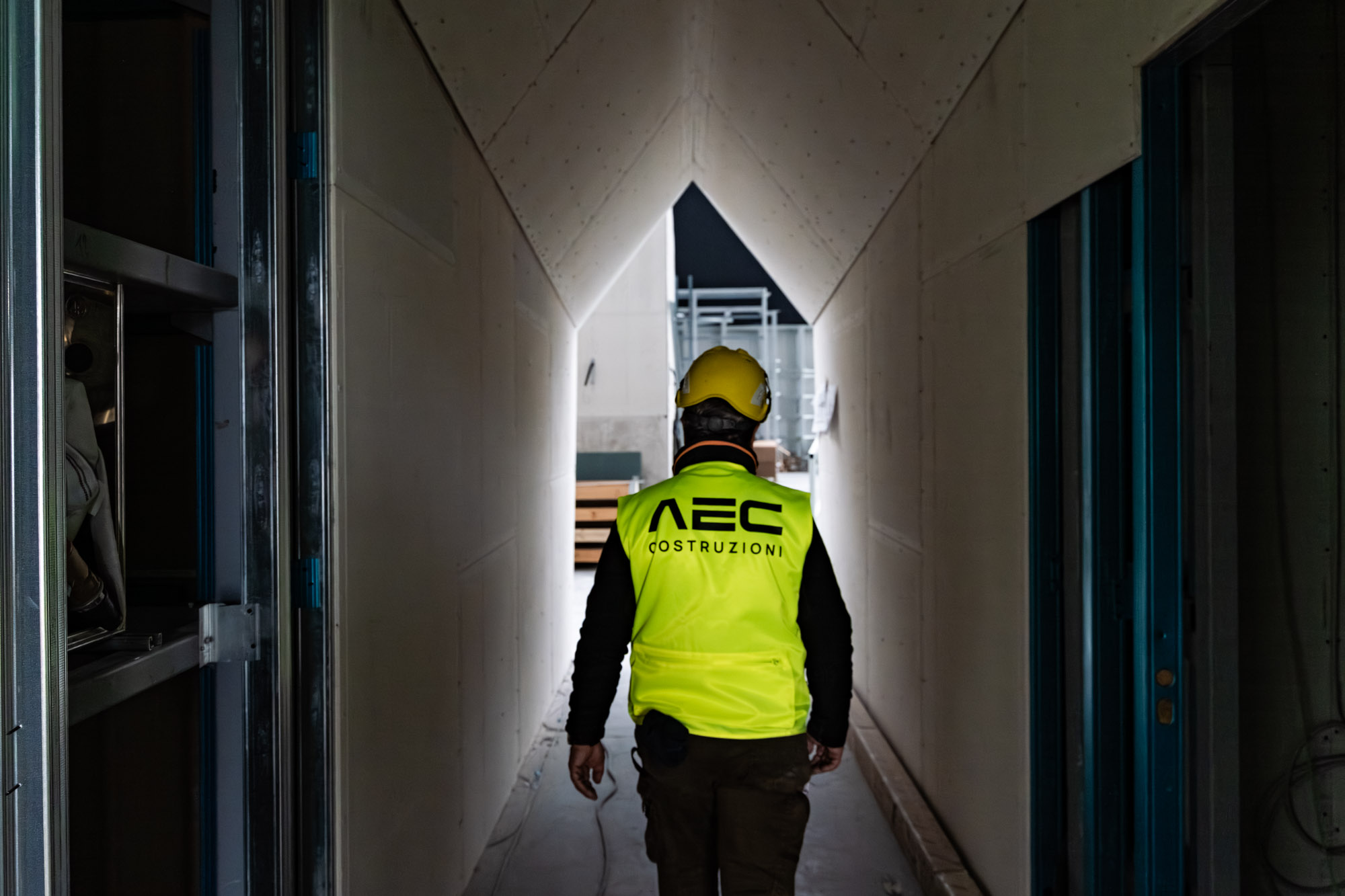
When undertaking a construction project—whether it is a new build, a renovation, or a redevelopment project—the focus is often on the final result: functional spaces, carefully selected materials, and a valuable aesthetic impact.
But before reaching that result, there is a complex journey involving technical decisions, time management, supplier coordination, bureaucratic procedures, permits, and inevitable unforeseen events. Without a structured method, even the best-conceived project can become complex to manage.
It is precisely in this context that the role of the general contractor becomes strategic, ensuring effective coordination and a unified vision throughout all phases of the project.
What a general contractor does
The general contractor is the entity that assumes overall responsibility for a construction project, managing and coordinating all its phases: from design to execution, from supplier selection to the operational management of the site, through to final delivery.
They are not simply a contractor. Their role is broader and more strategic: they integrate skills, people, and processes, becoming a single point of contact for the client, capable of ensuring vision, control, and continuity.
Numerous actors come into play in a construction project—designers, technicians, specialized firms, suppliers, consultants, and regulatory bodies—each with specific responsibilities. However, true value is generated when all these figures operate in a coordinated manner, following a common goal and a well-defined direction.
Why it simplifies the project
The first advantage is clarity.
Having a single point of contact means reducing fragmentation, misunderstandings, and uncoordinated steps. The client is no longer forced to act as a mediator between the various figures involved but can rely on a single management entity capable of governing the entire project consistently.
The general contractor approaches the construction site—which always remains a dynamic and complex system—with method and control. Schedules, costs, supplies, and operational decisions are managed in a more structured way, with an overall vision that facilitates every phase and is capable of handling any unforeseen events.
When coordination is lacking, even small misalignments can turn into delays or variations. Conversely, with integrated management, the process becomes smoother and more understandable, and responsibilities are clear from the start.
Value does not lie solely in building
Reaching the completion of works is an important milestone, but it is not the only element that defines a project’s value. What truly matters is the path leading to that result and its consistency with the function and future life of the work.
A building—whether it is a school, a production plant, or a public space—is not simply a construction site to be completed, but a place destined to be lived in, used, and maintained over time. For this reason, the management of a construction project must bring together multiple dimensions: construction quality, functionality, safety, cost sustainability, and adherence to timelines.
This is an integrated vision that companies like AEC Costruzioni apply in their approach: not as simple technical execution, but as the ability to accompany every project through all its phases, governing its complexity and ensuring continuity between the initial idea and the final realization.
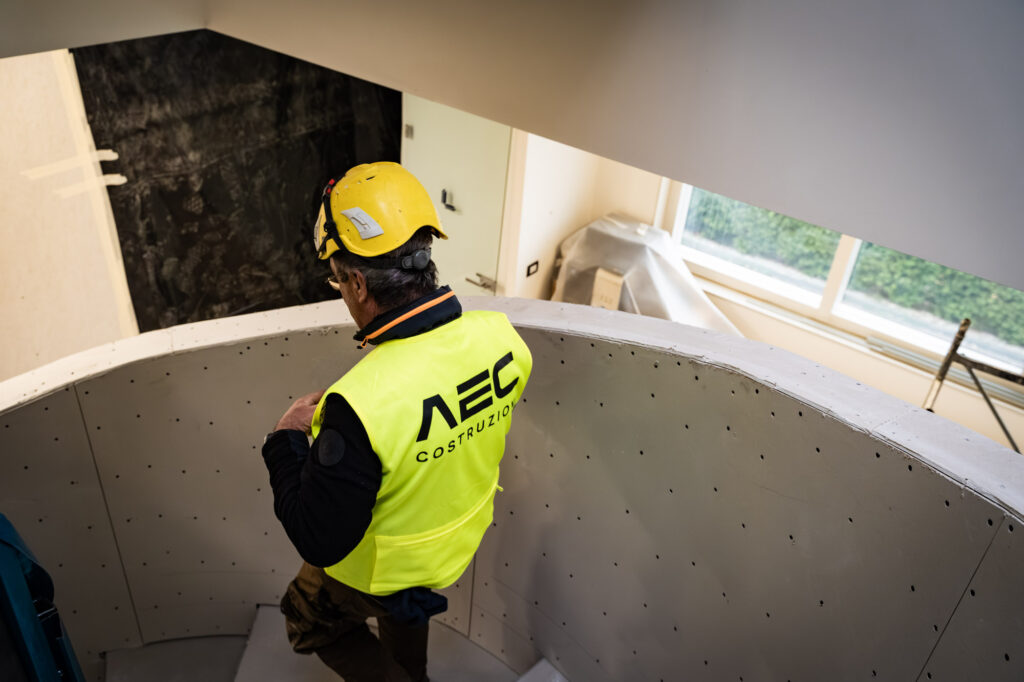
When to choose a general contractor
The role of the general contractor becomes particularly strategic in all those projects that require coordination, an overall vision, and control capabilities.
It is an effective choice for new builds, complex redevelopment interventions, public works, industrial buildings, or intricate residential projects where it is necessary to integrate design, technologies, supplies, and site management.
In these contexts, simplifying does not mean reducing ambition, but making the project more manageable and efficient. It means creating the conditions to make informed decisions, maintain control throughout the process, and ensure consistency between the different phases.
Because building well depends not only on the final result but also on the path that allows it to be achieved.
In conclusion
Choosing AEC means relying on a single qualified partner for the entire process, with a guarantee of adherence to timelines and costs, and full satisfaction for the end client.